Your Immune System
Your Immune System
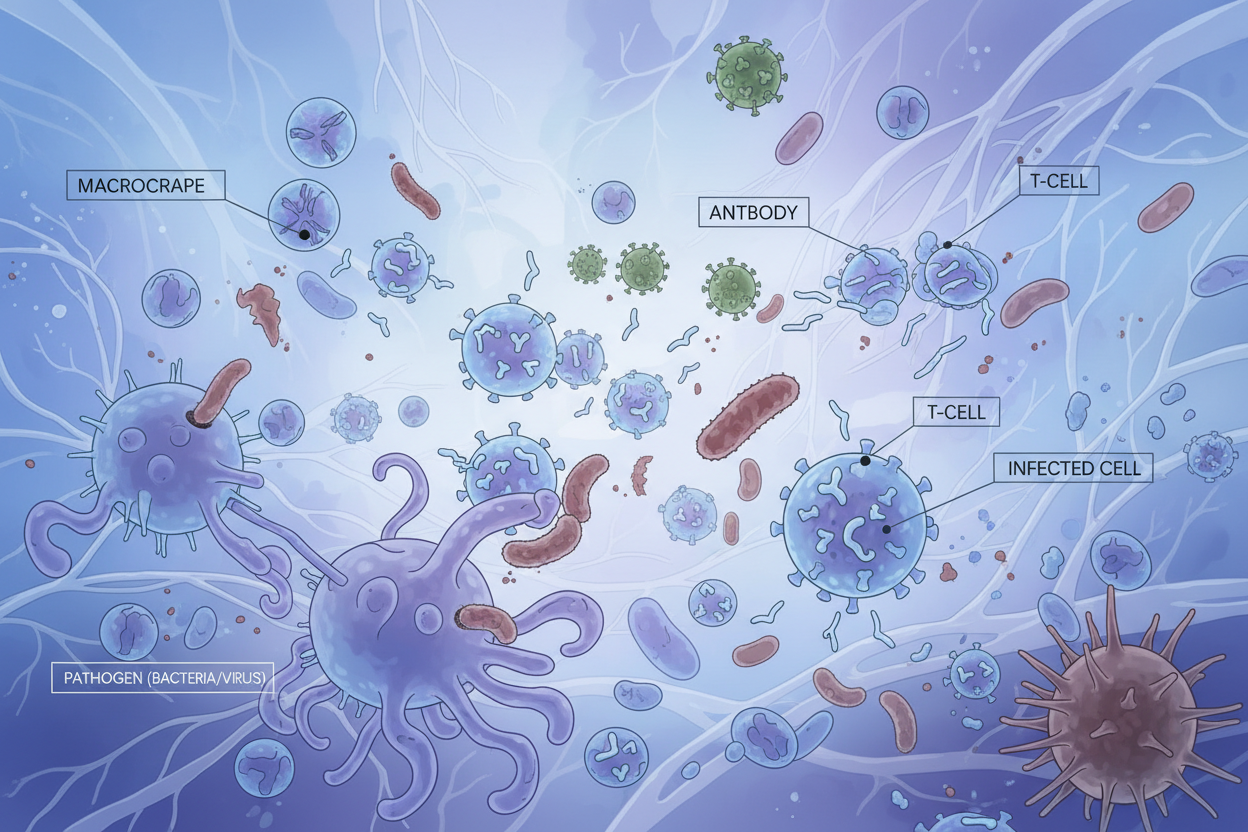
What is your immune system? It’s your body’s self-defense system. Its job is to monitor your body for foreign invaders, and cells that may be malfunctioning. Like all of the systems in your body, such as the circulatory system or the digestive system, the immune system is a communication network between different organs and cells.
Let's go down the Rabbit Hole on a biological adventure of your body...
What makes up your immune system?
- Bone Marrow. Red Bone Marrow is located inside of various bones (pelvic, sternum, ribs, and more) and produces blood cells, like lymphocytes (a type of white blood cell) that are particularly important for fighting off infections.
- Thymus. Located above the heart and between the lungs, it receives T-cell lymphocytes from the bone marrow when we are young. The thymus converts the T-cells into forms (helper and cytotoxic) that will then travel to lymph nodes and the spleen to await activation.
- Lymph Nodes. Located throughout the body in a network, lymph nodes are part of the lymphatic system as well. Lymph nodes are small, bean-shaped, lymph fluid-filled sacs consisting of mainly white blood cells, proteins and interstitial fluid from surrounding tissues. It’s purpose is to maintain fluid balance, and transport waste back to the spleen and thymus for further filtering.
- Spleen. Located in the upper left area of the abdomen behind the stomach. The spleen filters blood, and breaks down damaged cells and other foreign material. It is also important in that it identifies things that may cause infection.
- Tonsils and Adenoid. These organs are located in the back of your throat and nasal passage, respectively. They are specialized lymphoid tissues with a high concentration of lymphocytes. They trap foreign invaders as they enter your mouth or nose, monitor pathogens, and can initiate immune responses by producing antibodies (protective proteins that will attack the specific invader (antigen)).
- Skin. The largest organ in your body, Skin, has hair and will secrete oils on its surface to trap foreign substances and protect the inside of your body. It also has Langerhans Cells, which are located in the outer skin layer and play an important role in skin immune responses.
-
Mucous Membranes. Mucous membranes (mucosa) in the nose, throat, bladder, and intestines contain lymphoid tissues which are able to recognize and trap foreign material, and it has a large role in absorption. There are 200x more mucosa linings inside the human body than skin, so it is actually the largest protective barrier in your body.
-
Digestive System. Inside the digestive tract, from mouth through to anus, there are physical barriers (mucosa, tissues, muscles), chemical barriers (acid, enzymes, etc) that neutralize foreign substances, and physiological barriers (like peristalsis action) that can push out pathogens. There are also specialized lymphoid tissues (Peyer’s patches) that monitor and can respond directly to particular antigens. In it’s primary role of digesting food, it also absorbs Vitamins, A, C, D, and zinc, which are essential to the strength of the immune system. These vitamins are involved with immune regulation, creating antibodies, supporting cellular functions and keeping the gut lining healthy.
Inside our digestive system we have trillions of bacteria, fungi, and viruses: about as many foreign cells as our whole body! These friendly foreigners are referred to as the Microbiota, whereas Microbiome refers to the genes of the microbiota (which actually out-numbers our own!).
The microbiota in our gut supports our immune system by breaking down food to produce important vitamins like B12 and K, and will (when healthy) outcompete invading bacteria. The diversity of microbiota is very important to the health of the digestive and immune systems, and thus YOUR health. When your gut microbiota is out of balance, a host of health problems can ensue, such decreased immune response, autoimmune diseases (your body attacks itself), cancer and much more. There are so many studies being conducted on digestion and immune functions. You can really go down another rabbit hole here…
So how does the Immune System Work?
When foreign material or pathogens are recognized inside the body, an innate or non-specific immune response is initiated immediately via physical, chemical or cellular defense methods to prevent the spread of said pathogen. Innate responses are typically carried out in skin, mucous membranes, throat, and nose in less than 96 hours1.
The second line of defense is adaptive, also referred to as acquired or specific immunity. It is specific to just the antigen detected and takes a little more time but is long-lasting. In adaptive immune responses, T and B lymphocytes will go through a cloning process to produce billions of specialized cells to seek out the antigens. This will also create ‘immunity’ to the antigen: a memory of the antigen so that if exposed to the antigen in future, the immune system responds faster.
The gut microbiota and immune system have a symbiotic relationship of regulating each other to maintain balance, and thus strength. Through many (currently unknown) processes, these systems strive to keep the gut linings strong so that they can each do their jobs.
What can we do to help our Immune System?
The most important thing that we can do to support our immune system is to eat a healthy diet and lead healthy lives with healthy habits. Yes, this can be tricky with all of the temptations out there, but we should strive to do our best as it means we will be more comfortable the older we get, right?
-
Diet. A healthy diet consists of clean water, lots of fruits and vegetables, fiber, and good proteins. Take it easy on sugars and reduce processed foods to very rarely (Yes, I love bacon too!)
- o Fiber. Soluble fiber will dissolve in water and can help with cholesterol and blood sugar, while insoluble fiber doesn’t dissolve in water but adds bulk to the stool, which can help with clearing the digestive tract and constipation. Many fruits and vegetables contain both types.
- o Protein. Fatty fish, lean meats, and legumes offer protein, and/or nutrients like Omega-3 fatty acids and iron. But there are other sources of healthy proteins out there like quinoa, chickpeas, tempeh, pumpkin seeds, and chia seeds. Get some variety in that recommended 0.8 g of protein per pound of body weight per day.
- o Plants like garlic, ginger, and turmeric can help with inflammation, support circulation, and support the immune system. Use it in cooking, teas, oils and more.
- o Incorporate herbs into your diet everyday! You can use herbs for more than just culinary spices: use fresh herbs in salads (basil, lemon balm, mints, flowers), as side dishes, as after dinner digestifs. And of course, there are teas (infusions or decoctions) that you can have throughout the day for hydration, nutrients, minerals, and more.
- Avoid things that will reduce the diversity of your microbiota, like unnecessary antibiotic use (antibiotics aren’t selective in what they kill), nutrient-poor foods (artificial, high sugar, etc), excessive alcohol.
- Exercise. You need mild to moderate exercise every day, but you don’t need to run marathons to be healthy. Exercise helps lower inflammation in your body, which can lower the risk of heart disease and diabetes. Exercise helps strengthen bones and muscles, which will really help as we age with things like balance.
- Sunlight. How does sunlight help your immune system? When your skin is exposed to sunlight, it synthesizes Vitamin D. Vitamin D in turn helps to activate immune system cells. Low levels of this vitamin are linked to autoimmune diseases and even cancer.
- Reduce stress. There are many studies linking chronic stress to health issues, from reduced immune function to various cancers. An over-production of cortisol (and other fight-or-flight type hormones) contributes to a cascade of events. Stress leads to poor digestion, which then causes deficiencies in nutrition, which then leads to increased chances of infection, which then can lead to more serious diseases. That’s not fun! So do your best to take care of your mind through mindfulness, in whatever way works for you.
- Sleep. I have a hard time getting 8 hours of sleep, and tend to average 6.5 hours on average. But there are times when I'm tired and I take the sleep and can make it to 8 or 9 hours asleep. Pay attention to how you feel, get off the screens and let your body rest! During sleep, our bodies repair themselves. When we don't get enough sleep, many health problems can emerge, such as brain fog, depression, high blood pressure, and more.
·
What herbs can help with your Immune System?
What is an herb? There are many definitions out there for what an herb really is, but overall, an herb is any part of a plant used for food, medicine, culinary flavoring, perfume or dying. It's a pretty broad definition! Plants have been used medicinally for millennia, and are referenced in the Bible, Traditional Chinese Medicine (TCM) and Ayervedic texts, and many more. Herbs should be used everyday, in a variety of forms!
When it comes to selecting herbs for YOU, please pay attention to how YOU feel. Not every herb is good for every person in every recommended situation since we are all unique and have different situations going on in our minds and bodies. Finding our herbal allies is rewarding and valuable, so experiment!
-
Immune Stimulants. Herbs that stimulate white blood cell production. These herbs are best used for short durations, like when you are exposed to sickness or expect to be exposed to a higher amount of germs. For people who have a "hot" constitution immunostimulants can be too stimulating and thus aggravating. The same goes for people with autoimmune diseases, immunostimulants could cause flare ups.
- Echinacea
- Spilanthes
- Garlic
- Usnea
- Elder
- Boneset
- Elecampagne
- Bee Balm
- Thyme
- Oregano
- Ginger
- Licorice
- Andrographis
- Sage
-
Immune Modulators. Herbs that have a balancing effect on the immune system, and can offer longer term health. They can improve cell signaling and thus make your immune system more resilient to stresses. These herbs are commonly referred to as Adaptogens.
- Medicinal mushrooms (Chaga, Reishi, Maitake, Turkey Tail)
- Astragalus
- Codonopsis
- Ashwaganda
- Holy Basil
- Fermented Foods like yogurt, miso, kimchi, and saurkraut.
- Orange colored foods like oranges, sweet potatoes, calendula, winter squash
-
Digestive Stimulants. Herbs that improve digestion. There are many herbs that can enhance digestion, encourage healthy elimination, and offer healing to the digestive tract.
- Bitters - Dandelion, Turmeric, Yellow Dock, Burdock Root, Chamomile
- Demulcents - Marshmallow, Flax, Aloe, Licorice
- Vulneraries - Plantain, Gotu Kola, Cabbage, Astragalus
- Insoluble and Soluble Fiber - psyllium, chia seeds, pears, beans, lentils
- Laxatives - Senna, Cascara Sagrada, Triphala, Aloe
- Astringents - Cinnamon, Yarrow, Rose
- Carminatives - Mints, Cardamom, Ginger
-
Relaxing Nervines. Herbs that soothe nervous system. These herbs help us out of fight-or-flight mode, allowing our bodies to heal and perform the functions they are supposed to (like digestion, sleep, and repair modes).
- Milky Oats
- Saint John's Wort
- Dandelion
- Lavender
- Lemon Balm
- Motherwort
- Holy Basil
Does Raindrop Remedies offer products that could help?
Our goal at Raindrop Remedies is to provide healthy products that will soothe, comfort, and nourish your body, mind, and spirit. If you don't have access to fresh plants at home, please consider some of our products to have on hand:
You will find a variety of teas, tinctures, fire cider, and more in these collections.
References and Further Reading (Yes, go down that rabbit hole, Alice!)
Amin, A., Ersek, J., Kim, E.S., O’Day, S. The Immune System. https://www.helio.com/hematology-oncology/learn-immune-oncology
Body Systems & Organs. (2023, October 20). https//www.clevelandclinic.org/health/body/21196-immune-system
Bone Marrow. (2025, December 9). https://en.wikipedia.org/wiki/Bone_marrow
Wessel, L. How Your Gut is Controlling Your Immune System. MIT Center for Microbiome Informatics and Therapeutics. https://microbiome.mit.edu/microbiome_news/how-your-gut-is-controlling-your-immune-system
Reddy, R. How do the Digestive System and Immune System Work Together. (2025, June 6). https://www.studyread.com/how-do-the-digestive-system-and-immune-system-work-together
Grisham, J. (2023, June 8). Your Gut Microbiome: How To Improve It, Its Effects on the Immune System, and More. Memorial Sloan Kettering Cancer Institute. https://www.mskcc.org/news/your-gut-microbiome-how-improve-it-its-effects-immune-system-and-more
Shao, T., Hsu, R., Rafizadeh , D.L., Wang, L., Bowlus, C., Kumar, N., Mishra, J., Timilsina, S., Ridgway, W.M., Gershwin, M.E., Ansari, A.A., Shuai, Z., Leung, P.S.C. The gut ecosystem and immune tolerance. Journal of Autoimmunity; Vol 141 (2023, Dec)
12 Foods That Help Boost Your Immune System. (2025, October 14). https://health.clevelandclinic.org/food-to-boost-your-immune-system
The Science of Sleep: Understanding What Happens When You Sleep. John Hopkins Medicine. https://www.hopkinsmedicine.org/health/wellness-and-prevention/the-science-of-sleep-understanding-what-happens-when-you-sleep
Groves, M.N. Body Into Balance. (2016)
-
Posted in
diet, digestion, gut health, herbs for immune, Immune Health, Lymph, microbiome, microbiota, white blood cells